“https //signin.samsung.com key/” – Complete Guide to Samsung Sign-In Keys, Authentication, and Security

https signin.samsung.com key

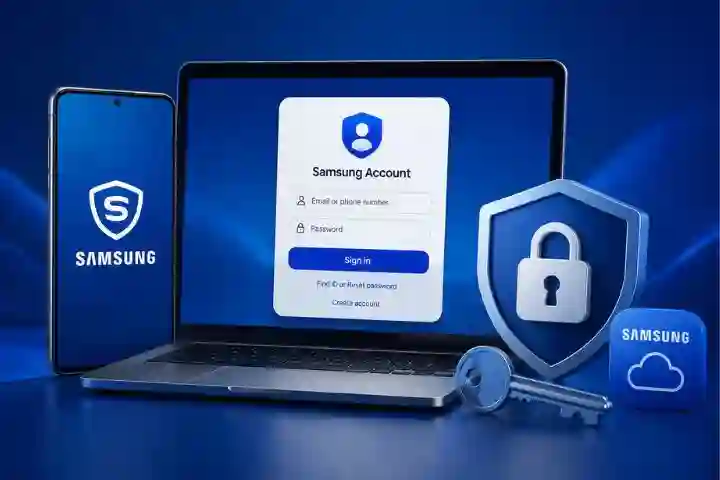
The keyword “https //signin.samsung.com key/” is often searched by Samsung users who encounter authentication prompts, Samsung account verification requests, or sign-in key notifications while accessing Samsung services. Many people see this term while trying to log in to Samsung Cloud, Galaxy Store, SmartThings, Samsung Pass, or other Samsung ecosystem applications. Since Samsung accounts are connected to multiple devices and cloud-based services, users frequently need to verify their identity using security keys, verification codes, or authentication methods.

Understanding what “https //signin.samsung.com key/” means is important because it directly relates to account protection, secure login procedures, and Samsung’s authentication framework. With increasing cyber threats, phishing attacks, unauthorized account access attempts, and identity theft risks, Samsung has implemented advanced security systems to protect users’ personal information.

This detailed article explains every aspect of Samsung sign-in keys, how the authentication system works, why users receive sign-in verification requests, how to troubleshoot common issues, and the best security practices for keeping Samsung accounts safe.

Table of Contents

What Is “https //signin.samsung.com key/”?

The phrase “https //signin.samsung.com key/” generally refers to Samsung’s secure account sign-in and verification system. It is associated with Samsung account authentication pages that help users securely access their Samsung services.

Samsung uses sign-in keys, verification codes, and authentication requests to confirm that the person attempting to log in is the actual account owner. This additional layer of security is commonly part of:

  • Two-factor authentication (2FA)
  • Account verification systems
  • Device authentication
  • Samsung Pass login verification
  • Secure sign-in requests
  • Identity confirmation protocols

Whenever a Samsung user signs into a new device, resets a password, changes account settings, or accesses sensitive information, Samsung may require additional verification through a security key or code.

The “key” in the keyword may refer to:

  • A one-time verification key
  • Security authentication token
  • Device verification key
  • Recovery authentication method
  • Samsung Pass authentication request

Samsung designed this system to reduce the risk of unauthorized access and improve user account protection.

Why Samsung Uses Secure Sign-In Authentication

Modern online accounts store highly sensitive personal data. Samsung accounts can contain:

  • Photos and videos
  • Contact lists
  • Cloud backups
  • Payment information
  • Device tracking details
  • Smart home configurations
  • Notes and documents
  • Samsung Wallet information

Because of this, Samsung uses advanced authentication systems to secure accounts from hackers and cybercriminals.

The primary reasons Samsung uses sign-in keys include:

Enhanced Account Security

Passwords alone are no longer enough to protect online accounts. Cybercriminals use phishing, malware, and brute-force attacks to steal passwords. Sign-in verification adds another security layer.

Device Verification

Samsung verifies whether a login attempt is coming from a trusted device. If a user signs in from a new location or device, additional authentication may be required.

Prevention of Unauthorized Access

If someone gains access to a password, they still cannot access the account without the secondary verification key.

Compliance With Modern Security Standards

Technology companies now follow strict security standards to protect user data. Multi-factor authentication has become a standard industry practice.

Secure Access Across Samsung Ecosystem

Samsung services are interconnected. A single Samsung account may control:

  • Smartphones
  • Tablets
  • Smart TVs
  • Smartwatches
  • Smart home devices
  • Galaxy Books
  • SmartThings-enabled devices

Secure authentication ensures safe synchronization across all connected devices.

How Samsung Sign-In Keys Work

Samsung’s authentication process uses multiple layers of security to verify users.

Step 1: User Enters Login Credentials

The user enters:

  • Samsung account email
  • Password

This is the first layer of authentication.

Step 2: Samsung Detects Login Environment

Samsung analyzes:

  • Device type
  • Browser information
  • Geographic location
  • IP address
  • Login history
  • Security risk level

If the login appears unusual, Samsung triggers additional verification.

Step 3: Verification Key Is Generated

Samsung sends a temporary verification method such as:

  • SMS verification code
  • Email authentication code
  • Push notification approval
  • Samsung Pass verification
  • Authenticator app code

Step 4: User Confirms Identity

The user enters the received code or approves the sign-in request.

Step 5: Secure Access Granted

Once verified, Samsung grants access to the account and connected services.

This multi-step verification process significantly improves security.

Common Situations Where Users Encounter Samsung Sign-In Keys

Many users search for “https //signin.samsung.com key/” because they encounter authentication requests during specific account activities.

Logging Into a New Device

Samsung may request a verification key when a user signs into a new smartphone, tablet, or computer.

Password Reset Requests

If users forget their passwords and attempt account recovery, Samsung requires identity verification.

Suspicious Login Detection

Samsung security systems monitor unusual login activity. If suspicious behavior is detected, the account owner may need additional verification.

Accessing Samsung Cloud

Cloud services contain sensitive personal information. Samsung often requires secure sign-in confirmation.

Using Samsung Pass

Samsung Pass stores passwords and biometric credentials. Authentication is required before granting access.

Changing Security Settings

Users modifying:

  • Passwords
  • Recovery methods
  • Linked devices
  • Payment settings

may receive verification requests.

Samsung Account Security Features

Samsung has developed several security technologies to protect users.

Two-Factor Authentication (2FA)

Two-factor authentication requires:

  1. Something the user knows (password)
  2. Something the user has (verification code or trusted device)

This dramatically reduces hacking risks.

Samsung Pass

Samsung Pass allows users to log in using:

  • Fingerprints
  • Facial recognition
  • Biometrics

instead of manually entering passwords.

Device Authorization

Trusted Samsung devices can be registered for easier future logins.

Encryption Technology

Samsung encrypts user data during transmission and storage.

Security Notifications

Users receive alerts about:

  • New login attempts
  • Password changes
  • Device sign-ins
  • Suspicious activities

These notifications help users quickly respond to security threats.

Common Problems Related to Samsung Sign-In Keys

While Samsung’s authentication system improves security, users may occasionally encounter issues.

Verification Code Not Received

Some users do not receive SMS or email verification codes.

Possible causes include:

  • Network problems
  • Incorrect phone number
  • Spam email filtering
  • Carrier delays
  • Account synchronization issues

Expired Verification Keys

Verification codes are temporary. If users wait too long, the code may expire.

Device Recognition Problems

Samsung may fail to recognize trusted devices after:

  • Software updates
  • Browser cache clearing
  • Factory resets
  • IP address changes

Login Loops

Sometimes users repeatedly receive authentication prompts due to:

  • Browser issues
  • Cookie restrictions
  • Outdated apps
  • Account synchronization errors

Account Lockouts

Multiple failed login attempts can temporarily lock the account for security reasons.

How to Fix Samsung Sign-In Verification Problems

Users experiencing Samsung authentication issues can try several troubleshooting methods.

Check Internet Connection

A stable internet connection is essential for secure authentication.

Users should:

  • Restart Wi-Fi
  • Switch networks
  • Use mobile data temporarily
  • Reset router settings if needed

Verify Contact Information

Ensure that:

  • Email address is correct
  • Phone number is active
  • Recovery methods are updated

Clear Browser Cache

Browser cookies and cached files may interfere with authentication.

Users can:

  • Clear browser history
  • Remove cookies
  • Restart the browser
  • Try incognito mode

Update Samsung Applications

Outdated Samsung apps may cause compatibility issues.

Update:

  • Samsung Account app
  • Samsung Pass
  • Galaxy Store
  • Device software

Use Another Verification Method

Samsung often provides alternative verification methods such as:

  • Email confirmation
  • Backup codes
  • Trusted device approval

Wait Before Retrying

If multiple attempts fail, users should wait before trying again to avoid temporary account restrictions.

Importance of Avoiding Fake Samsung Login Pages

Cybercriminals often create fake login pages that imitate Samsung websites.

Users searching for terms like “https //signin.samsung.com key/” may accidentally visit phishing websites if they are not careful.

Risks of Fake Login Pages

Fake websites may steal:

  • Passwords
  • Banking information
  • Verification codes
  • Personal data
  • Device access credentials

How to Identify Official Samsung Pages

Users should verify:

  • The URL begins with “https”
  • The domain is officially owned by Samsung
  • Security padlock icon appears in browser
  • No unusual spelling mistakes exist in the domain

Avoid Clicking Unknown Links

Users should avoid clicking login links received through:

  • Suspicious emails
  • Random text messages
  • Social media messages
  • Unknown advertisements

Always access Samsung accounts through official Samsung websites or applications.

Best Practices for Samsung Account Security

Keeping Samsung accounts secure requires proactive safety measures.

Use Strong Passwords

A secure password should include:

  • Uppercase letters
  • Lowercase letters
  • Numbers
  • Symbols
  • Minimum 12 characters

Users should avoid using common passwords or personal information.

Enable Two-Factor Authentication

2FA significantly improves account protection.

Keep Devices Updated

Security updates fix vulnerabilities that hackers may exploit.

Users should regularly update:

  • Android OS
  • Samsung firmware
  • Security patches
  • Samsung apps

Monitor Account Activity

Users should regularly review:

  • Login history
  • Connected devices
  • Security notifications

Avoid Public Wi-Fi for Sensitive Logins

Public networks may expose users to cyber threats.

Use:

  • Trusted Wi-Fi
  • Mobile data
  • VPN services

for secure account access.

Protect Verification Codes

Never share authentication codes with anyone.

Samsung representatives will never ask for:

  • Passwords
  • OTP codes
  • Security verification keys

Role of Samsung Pass in Authentication

Samsung Pass is one of Samsung’s most advanced authentication tools.

It allows users to securely log in using biometrics instead of traditional passwords.

Features of Samsung Pass

Samsung Pass supports:

  • Fingerprint authentication
  • Facial recognition
  • Password autofill
  • Secure credential storage
  • App login authentication

Benefits of Samsung Pass

Advantages include:

  • Faster login experience
  • Reduced password dependency
  • Enhanced convenience
  • Improved security

Security of Biometric Authentication

Biometric information is stored securely on the device using encrypted hardware-level protection.

This makes Samsung Pass highly resistant to common hacking methods.

How Samsung Protects User Data

Samsung invests heavily in cybersecurity technologies.

Samsung Knox Security Platform

Samsung Knox is a defense-grade security platform integrated into Samsung devices.

It protects:

  • User data
  • Device integrity
  • Enterprise information
  • App security

Real-Time Threat Monitoring

Samsung systems continuously monitor suspicious behavior.

Secure Data Encryption

Encryption prevents unauthorized users from reading stored data.

Multi-Layer Security Architecture

Samsung combines:

  • Hardware security
  • Software protection
  • Cloud security
  • Authentication systems

for comprehensive account safety.

Future of Samsung Authentication Systems

Authentication technology continues evolving rapidly.

Samsung is expected to further improve:

  • Passwordless authentication
  • AI-driven threat detection
  • Behavioral security analysis
  • Advanced biometrics
  • Cross-device authentication

Future Samsung authentication may rely more on:

  • Face recognition
  • Device proximity authentication
  • Secure tokens
  • AI-powered identity verification

This evolution will improve both convenience and cybersecurity.

Frequently Asked Questions (FAQs)

What does “https //signin.samsung.com key/” mean?

It generally refers to Samsung’s secure sign-in and authentication verification system used to protect Samsung accounts.

Why am I receiving Samsung verification requests?

Samsung may request verification when:

  • Logging into a new device
  • Resetting passwords
  • Detecting suspicious activity
  • Changing security settings

Is Samsung sign-in verification safe?

Yes. Samsung uses authentication systems to improve account security and prevent unauthorized access.

What should I do if I do not receive the verification code?

Users should:

  • Check network connection
  • Verify email or phone number
  • Check spam folders
  • Retry after a few minutes
  • Use alternative verification methods

Can hackers bypass Samsung authentication?

While no system is completely immune, Samsung’s multi-layer authentication significantly reduces hacking risks.

Is Samsung Pass more secure than passwords?

Yes. Biometric authentication is generally more secure because fingerprints and facial data are difficult to replicate.

How can I identify fake Samsung login pages?

Always verify:

  • Official Samsung domain
  • HTTPS security
  • Browser padlock icon
  • Authentic website design

Avoid clicking suspicious login links.

Can I disable Samsung two-factor authentication?

Samsung may allow changes to authentication settings, but disabling 2FA can reduce account security.

Conclusion

The keyword “https //signin.samsung.com key/” is closely connected to Samsung’s secure authentication and account verification system. As digital security threats continue growing, Samsung has implemented advanced login protection mechanisms to safeguard user accounts, personal information, cloud data, and connected devices.

Samsung sign-in keys, verification codes, Samsung Pass authentication, and multi-factor security systems work together to prevent unauthorized access and improve user protection. Although authentication prompts may occasionally seem inconvenient, they are essential for defending accounts against cyber threats.

Users should always follow strong cybersecurity practices such as enabling two-factor authentication, using secure passwords, keeping devices updated, avoiding suspicious links, and protecting verification codes.

Also read : www daysaver .net Gaming