SSIS-950: A Complete Guide to Modern Data Integration, ETL, and Business Intelligence

SSIS-950

In today’s data-driven business environment, organizations generate and process enormous amounts of information every day. Managing this data efficiently requires powerful tools that can collect, transform, and distribute information across different systems. This is where SSIS-950 comes into the picture.

SSIS-950 is commonly associated with advanced capabilities within SQL Server Integration Services (SSIS), Microsoft’s widely used platform for data integration, migration, and ETL (Extract, Transform, Load) operations. It is designed to help businesses automate complex data workflows, improve data quality, and streamline information management across databases, cloud platforms, applications, and enterprise systems.

Whether you’re a database administrator, business analyst, data engineer, or IT professional, understanding SSIS-950 can help you optimize data processing and improve organizational efficiency.

What Is SSIS-950?

SSIS-950 refers to an advanced implementation or feature-rich version associated with SQL Server Integration Services. Its primary purpose is to facilitate data extraction, transformation, and loading between multiple systems while maintaining speed, reliability, and scalability.

At its core, SSIS-950 serves as a bridge between different data sources. Organizations often store information across various databases, spreadsheets, cloud platforms, and enterprise applications. Without a centralized integration solution, managing this information can become challenging and time-consuming.

SSIS-950 helps organizations:

  • Extract data from multiple sources
  • Transform and clean raw information
  • Automate repetitive workflows
  • Load processed data into target systems
  • Support reporting and business intelligence initiatives

The platform simplifies complex integration tasks while reducing manual effort and operational errors.

Understanding ETL and the Role of SSIS-950

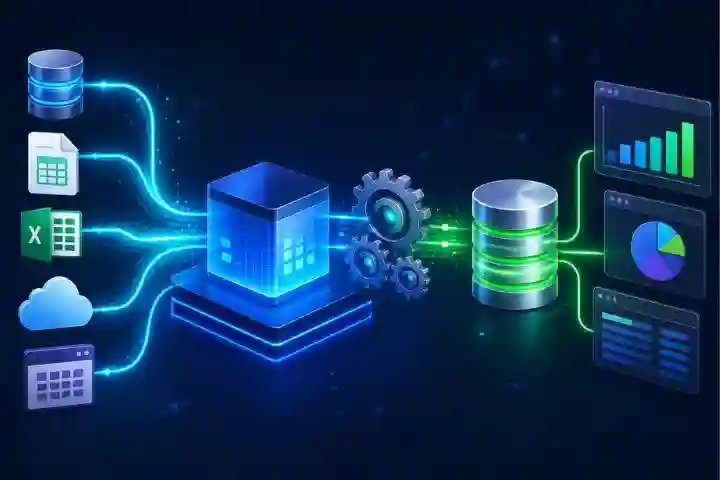
The foundation of SSIS-950 lies in ETL processes. ETL stands for Extract, Transform, and Load, a methodology widely used in data management.

Extract

The extraction phase gathers data from multiple sources such as:

  • SQL Server databases
  • Oracle databases
  • CSV files
  • Excel spreadsheets
  • Cloud storage services
  • Web applications

SSIS-950 connects to these systems and retrieves the required information efficiently.

Transform

Once data is collected, it often requires processing before it can be used effectively. During the transformation stage, SSIS-950 can:

  • Remove duplicate records
  • Correct formatting issues
  • Validate data accuracy
  • Standardize information
  • Merge data from multiple sources
  • Perform calculations and aggregations

This step ensures that organizations work with clean and reliable data.

Load

After transformation, the processed data is transferred into a destination system such as:

  • Data warehouses
  • Business intelligence platforms
  • Reporting systems
  • Cloud databases
  • Enterprise applications

The loading process ensures that decision-makers have access to accurate and up-to-date information.

Key Features of SSIS-950

One reason SSIS-950 has gained attention is its rich collection of features designed to simplify enterprise data management.

1. High-Performance Data Processing

SSIS-950 supports parallel task execution, allowing multiple operations to run simultaneously. This significantly improves processing speed when dealing with large datasets. Instead of waiting for tasks to finish sequentially, businesses can process data more efficiently and reduce workflow bottlenecks.

2. Advanced Data Transformation

Data transformation is one of the strongest capabilities of SSIS-950. Organizations can manipulate, clean, and restructure data without extensive manual intervention.

Common transformation tasks include:

  • Data cleansing
  • Sorting and filtering
  • Data enrichment
  • Format conversion
  • Record matching

These capabilities improve overall data quality and usability.

3. Automation Capabilities

Automation reduces the need for repetitive manual tasks. SSIS-950 enables organizations to schedule workflows and automate data movement between systems.

Benefits include:

  • Reduced human error
  • Faster execution
  • Consistent processes
  • Lower operational costs

Automated workflows allow teams to focus on strategic initiatives rather than routine maintenance.

4. Error Handling and Monitoring

Data integration projects often encounter unexpected issues. SSIS-950 includes robust error-handling mechanisms that help identify, track, and resolve problems quickly.

Features include:

  • Error logging
  • Row redirection
  • Data validation
  • Custom notifications
  • Workflow monitoring

These tools help maintain data integrity and ensure reliable processing.

Cloud Integration with SSIS-950

Modern businesses increasingly rely on cloud infrastructure. As a result, cloud compatibility has become an essential feature of data integration platforms.

SSIS-950 supports integration with cloud services and hybrid environments. Organizations can manage data stored both on-premises and in the cloud while maintaining a unified workflow. Cloud integration capabilities enable businesses to:

  • Connect to cloud databases
  • Transfer data to cloud storage
  • Synchronize information across environments
  • Support scalable data architectures

This flexibility allows organizations to modernize their data ecosystems without disrupting existing operations.

Benefits of Using SSIS-950

Organizations implementing SSIS-950 often experience significant operational improvements.

Faster Data Processing

Parallel execution and optimized workflows help reduce processing times, enabling faster access to critical information. This is especially valuable for businesses handling large volumes of transactional data.

Improved Data Quality

Through validation, cleansing, and transformation capabilities, SSIS-950 helps ensure that information remains accurate and reliable across systems.

Cost Savings

Automation reduces manual labor requirements and minimizes costly data errors. Organizations can achieve greater efficiency without expanding resources significantly.

Better Decision-Making

Accurate and timely data enables managers and executives to make informed decisions. Clean data improves reporting accuracy and strengthens business intelligence initiatives.

Scalability

As businesses grow, their data requirements increase. SSIS-950 is designed to handle larger workloads while maintaining performance and reliability.

Common Business Use Cases

SSIS-950 is used across various industries and business functions.

Data Warehousing

Organizations use SSIS-950 to collect data from multiple sources and consolidate it into centralized data warehouses for analysis and reporting.

Business Intelligence

Business intelligence systems depend on accurate and current data. SSIS-950 ensures that reporting platforms receive consistent information for dashboards and analytics.

Data Migration Projects

When companies upgrade systems or move to cloud platforms, SSIS-950 helps transfer data efficiently while preserving accuracy and consistency.

Customer Data Management

Businesses often maintain customer information across multiple systems. SSIS-950 helps integrate these records to create a unified customer view.

Financial Reporting

Financial institutions and enterprises use SSIS-950 to gather, transform, and prepare data for regulatory compliance and reporting requirements.

How SSIS-950 Differs from Earlier Solutions

Compared with traditional data integration methods, SSIS-950 introduces several improvements.

Enhanced Performance

Modern optimization techniques allow faster execution and improved handling of large-scale workloads.

Better Resource Management

Memory utilization and processing efficiency have been enhanced to support larger datasets without significant performance degradation.

Improved Cloud Support

Unlike older systems that focused primarily on on-premises environments, SSIS-950 supports hybrid and cloud-based infrastructures more effectively.

User-Friendly Interface

Visual workflow design tools make it easier for users to build and manage integration processes without extensive programming expertise.

Challenges and Best Practices

Although SSIS-950 offers many advantages, successful implementation requires proper planning.

Common Challenges

  • Managing large datasets
  • Handling inconsistent source data
  • Monitoring workflow performance
  • Maintaining security and compliance
  • Coordinating multiple integration points

Best Practices

  • Design modular workflows
  • Implement comprehensive error logging
  • Validate data at every stage
  • Regularly monitor performance metrics
  • Maintain documentation for all packages

Following these practices can improve reliability and long-term maintainability.

The Future of SSIS-950

As organizations continue embracing digital transformation, the importance of advanced data integration solutions will only grow. Future developments are expected to focus on:

  • Greater cloud-native capabilities
  • Enhanced automation
  • AI-assisted workflow optimization
  • Real-time data processing
  • Improved security and governance

Businesses increasingly rely on data as a strategic asset, making tools like SSIS-950 essential components of modern technology ecosystems.

The rise of artificial intelligence and machine learning will further increase the demand for efficient data pipelines. Future versions of data integration platforms may include predictive analytics, automated workflow recommendations, and smarter error-detection mechanisms. These innovations will help organizations process larger volumes of data while reducing operational complexity.

Why SSIS-950 Matters in Modern Enterprises

The modern enterprise depends heavily on accurate and accessible data. Organizations use information to understand customers, optimize operations, forecast trends, and identify growth opportunities.

SSIS-950 plays a critical role by ensuring data moves seamlessly between systems. Without effective integration, businesses often face issues such as duplicate records, inconsistent reporting, delayed decision-making, and operational inefficiencies.

By creating a reliable data foundation, SSIS-950 helps organizations:

  • Improve collaboration across departments
  • Strengthen reporting accuracy
  • Support digital transformation initiatives
  • Enhance customer experiences
  • Accelerate business growth

As companies continue expanding their digital capabilities, robust data integration solutions will become increasingly important.

Conclusion

SSIS-950 represents a powerful approach to modern data integration and ETL management. By enabling organizations to extract, transform, and load information efficiently, it helps streamline operations, improve data quality, and support better decision-making.

Its strengths include high-performance processing, automation, cloud integration, scalability, and robust error handling. Whether used for business intelligence, data warehousing, migration projects, or enterprise reporting, SSIS-950 provides the tools needed to manage increasingly complex data environments.

As businesses continue generating larger volumes of information, solutions like SSIS-950 will remain critical for transforming raw data into valuable business insights. Organizations that effectively leverage these capabilities can gain a significant competitive advantage through faster, more accurate, and more reliable data management.

Ultimately, SSIS-950 is more than just a data integration solution—it is a strategic asset that empowers organizations to unlock the full value of their data and build a stronger foundation for future success.

Also check : Jotechgeeks